Providence Nocturnal Scoliosis® Orthosis
Product Overview
The Providence Nocturnal Scoliosis® System has been successful in treating all curve types: lumbar, thoracic, double major, and thoracolumbar.
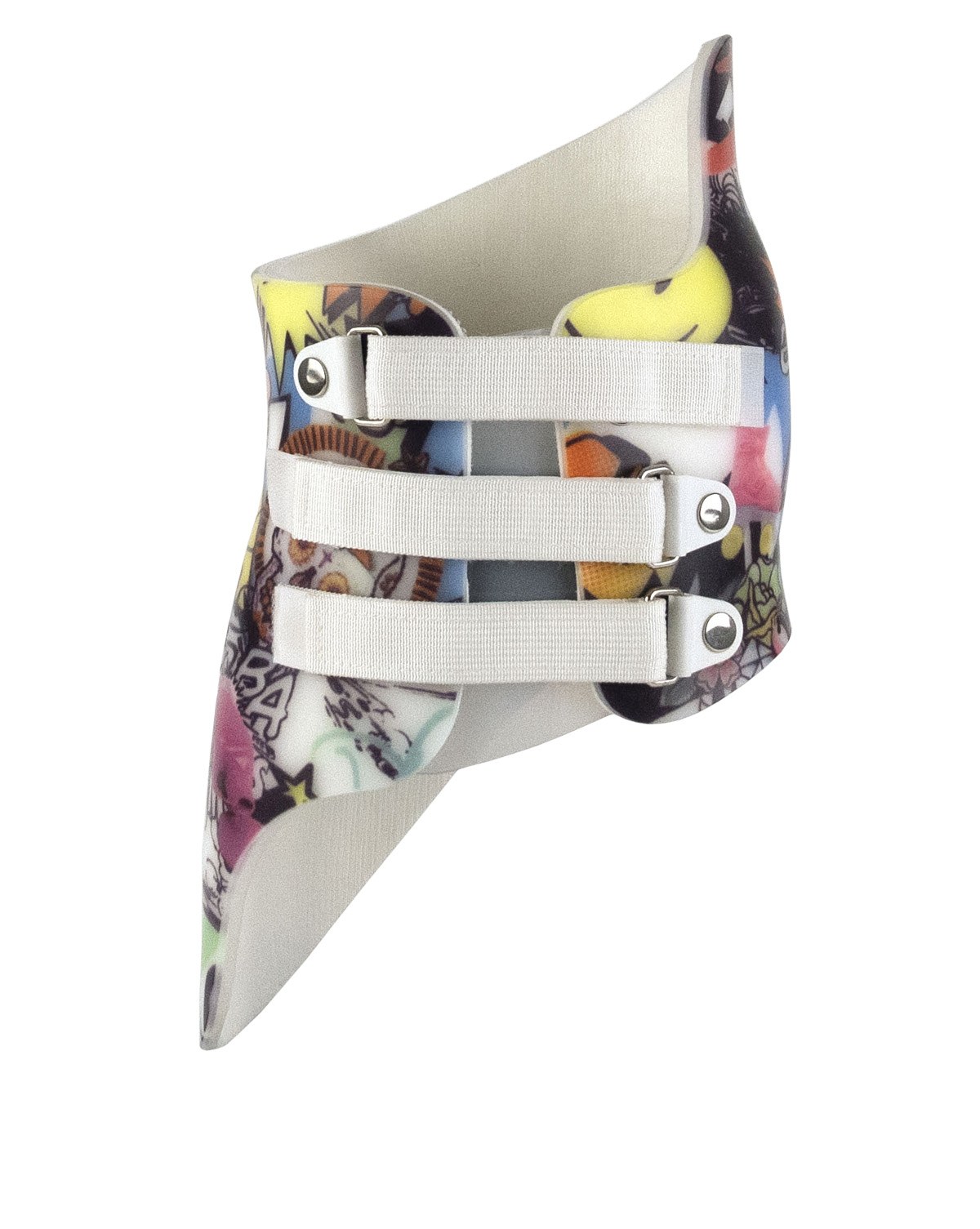
The Providence Nocturnal Scoliosis® Orthosis is an effective nighttime brace for the treatment of Adolescent Idiopathic Scoliosis (AIS). This orthosis is also suited for neurologically involved patients, juvenile scoliosis patients and offers significant advantages for patients with high BMI. Because of the nocturnal design, it is able to address an apex of T6, which is higher than can be treated by a full-time scoliosis orthosis. Apices above T6 can be treated with a neck extension attached to the orthosis.
The Providence® brace is designed to be worn at nighttime with the patient supine.
Current x-rays are necessary to confirm and provide a positive outcome. Because of the nocturnal use of the orthosis, the curves can be treated more aggressively and better patient compliance is achieved. allows for control of pad placement and corrective pressures. If the patient is unable to be measured using the Providence® board, or if a board is not available, a cast or scan of the patient is required.
The Providence® brace has demonstrated greater compliance rates in scoliosis bracing.
Spinal Technology is the exclusive manufacturer of the Providence Nocturnal Scoliosis® Orthosis.
Spinal Indications
- Lumbar Curves
- Thoracic Curves
- Double Major Curves
- Thoracolumbar Curves
Features
- Brace is fabricated using the patented Providence® measuring board and CAD/CAM technology. The combination of the two ensures consistent and precise fabrication of this orthosis.
- Hyper-correction.
- Increased patient compliance.
- Nighttime Orthosis.
Resources
Providence® Scoliosis Orthosis - Wear and Care
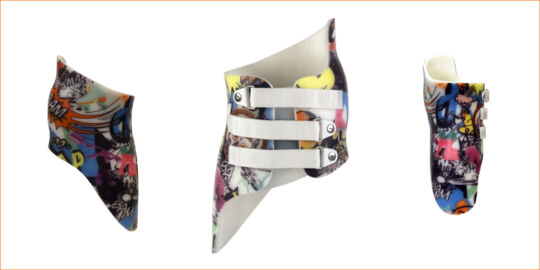
Providence® Orthosis - Product Options
What is a Providence® Brace?
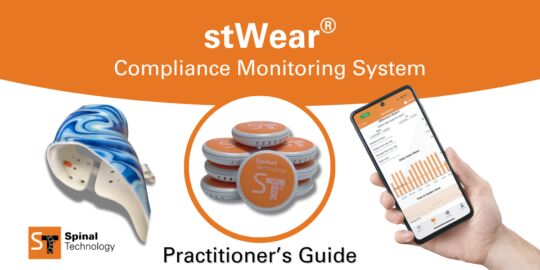
The stWear® Compliance Monitoring System
Download our Practitioner Resources
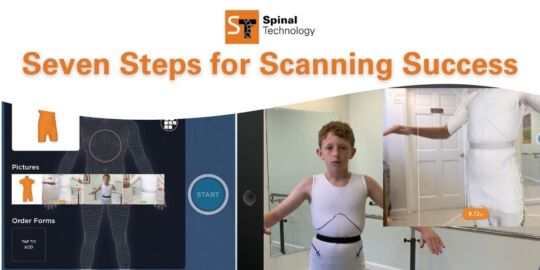
Seven Steps for Successful 3D Scanning
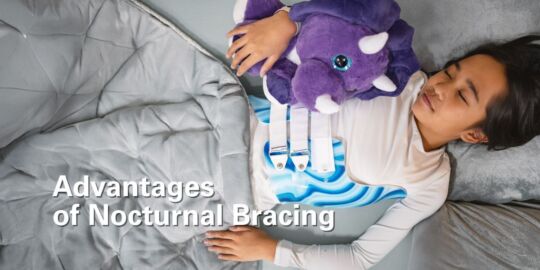
Advantages of the Providence Nocturnal Scoliosis® System

The Providence® Nocturnal Orthosis - Overview for Parents & Patients
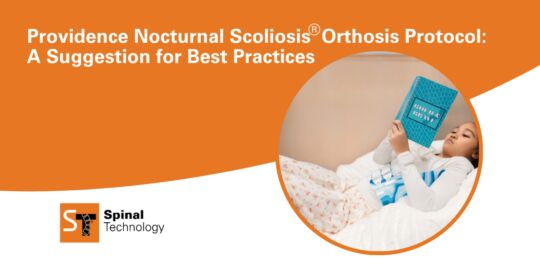
Providence Nocturnal Scoliosis® Orthosis Protocol: A Suggestion for Best Practices
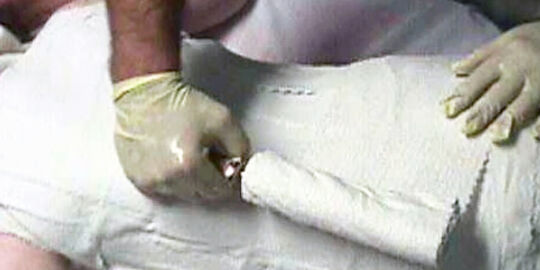
Providence® Orthosis Casting Procedure


Product Photos


X-Ray Outcomes
Providence® Orthosis - 1
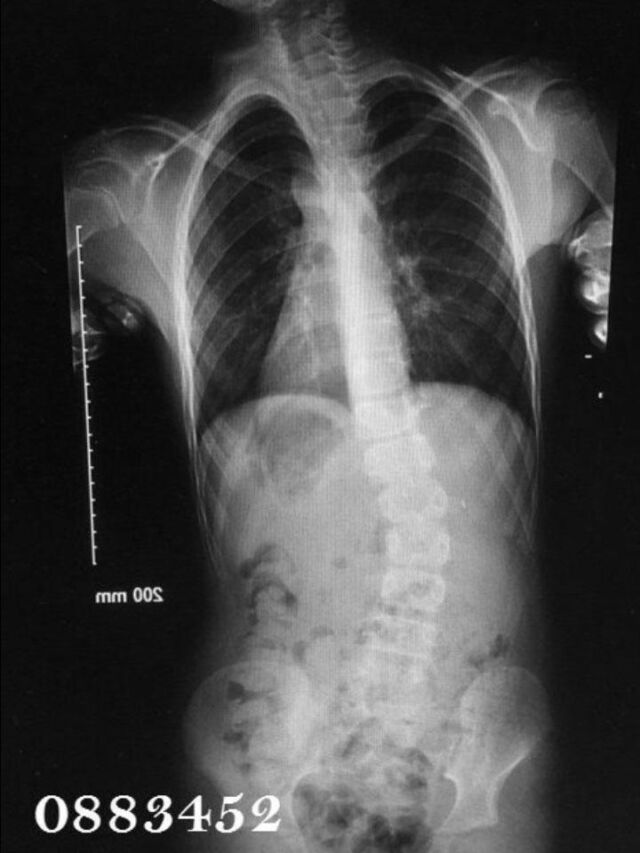
Original 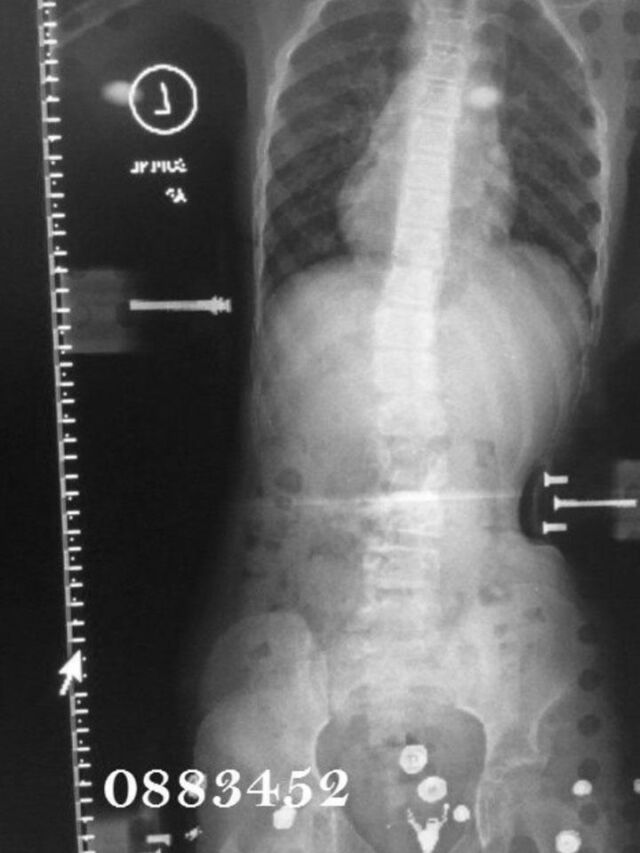
On Board (Supine) 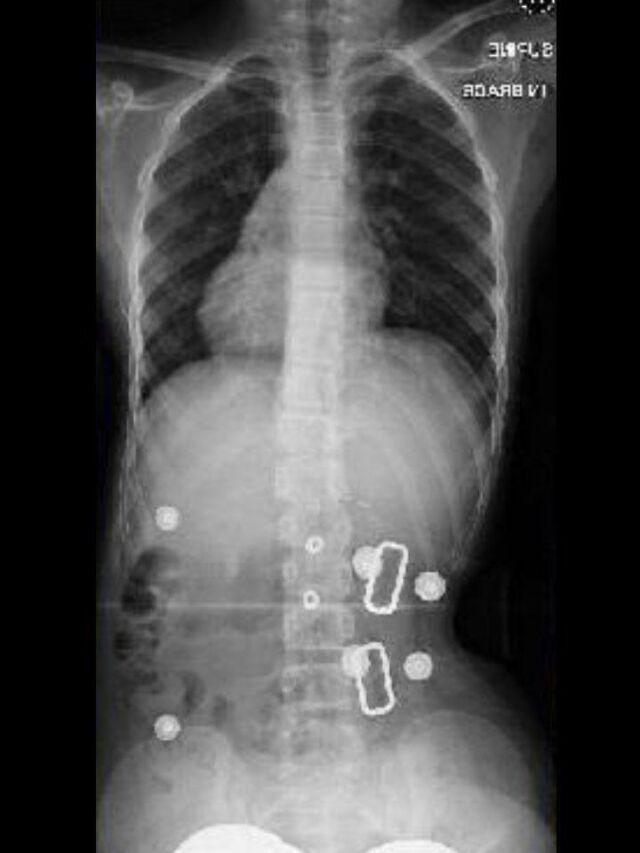
In-Brace (Supine) Providence® Orthosis - 2
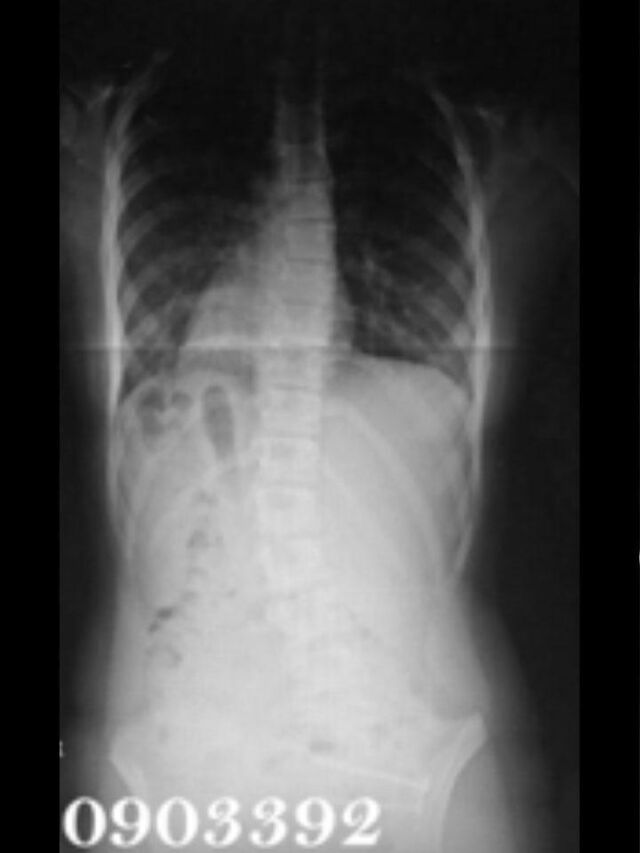
Original 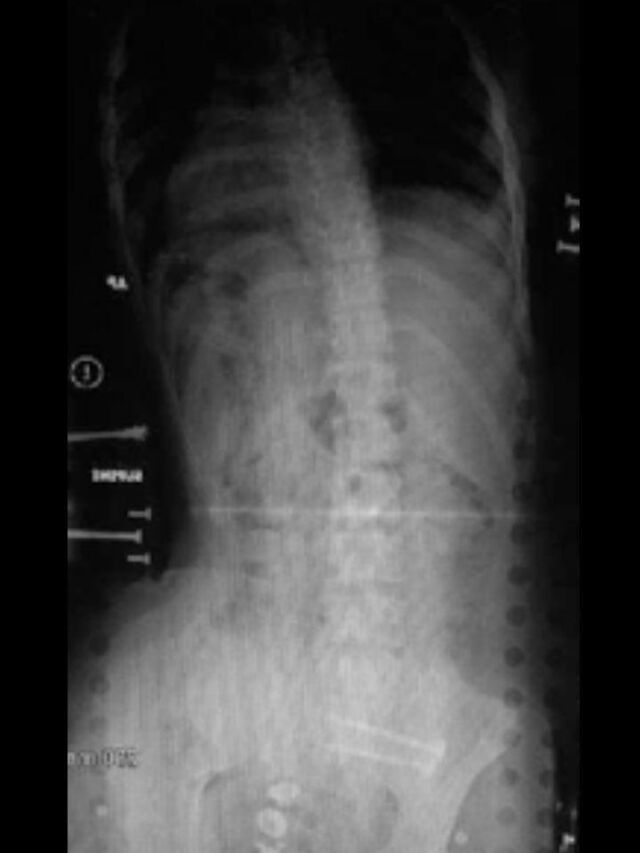
On Board (Supine) 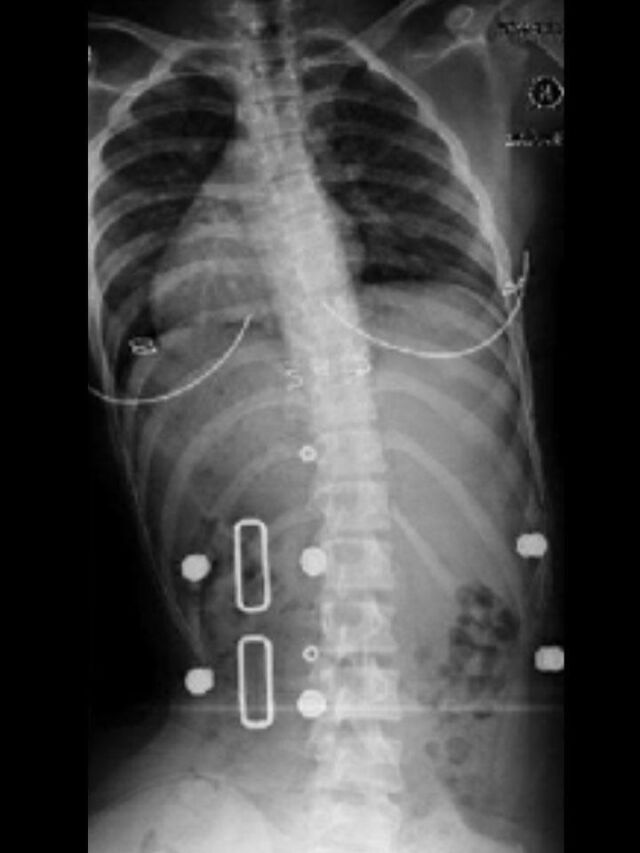
In-Brace (Supine) Providence® Orthosis - 3
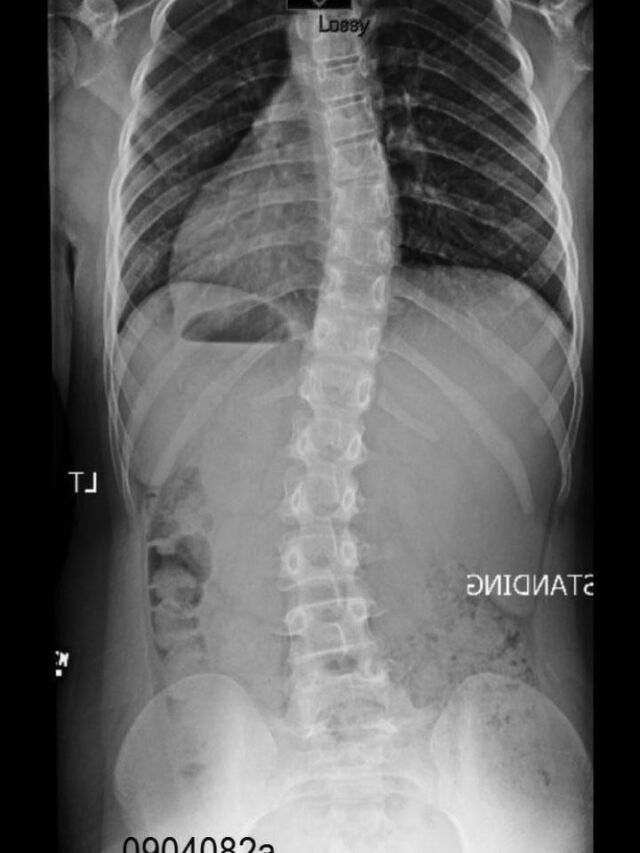
Original 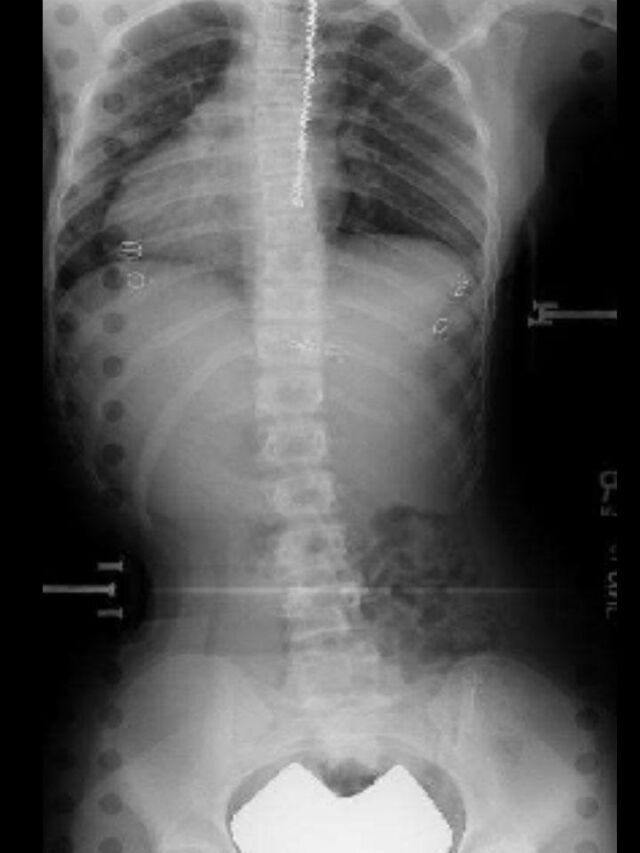
On Board (Supine) 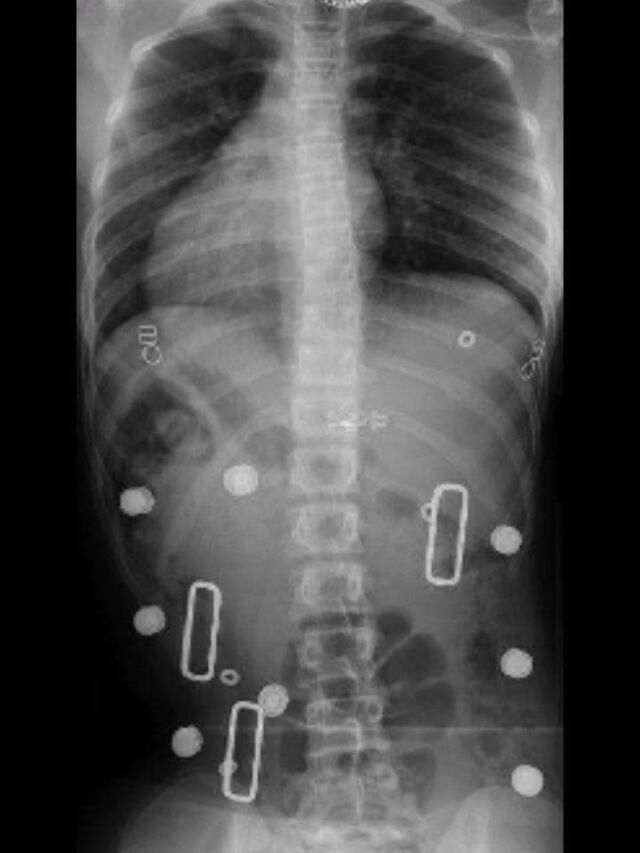
In-Brace (Supine) Providence® Orthosis - 4
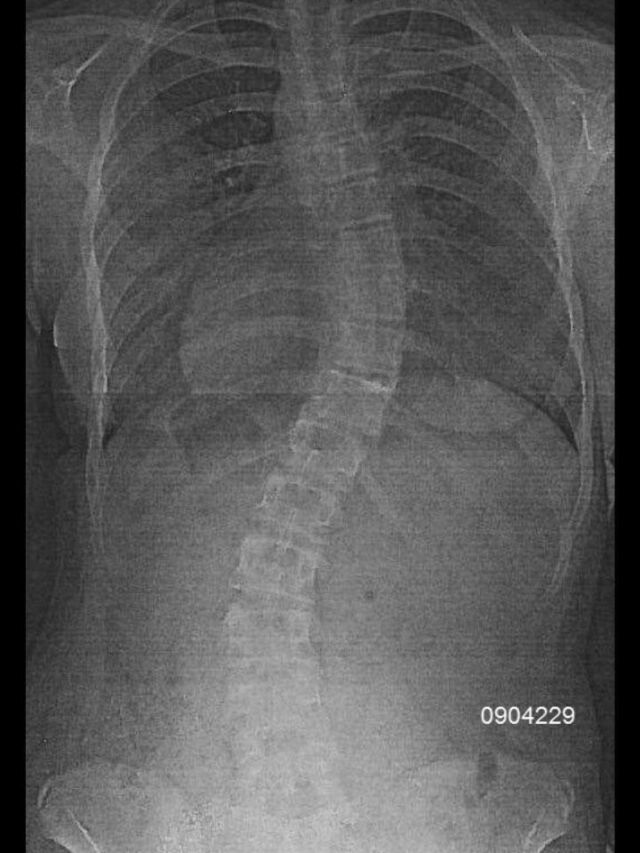
Original 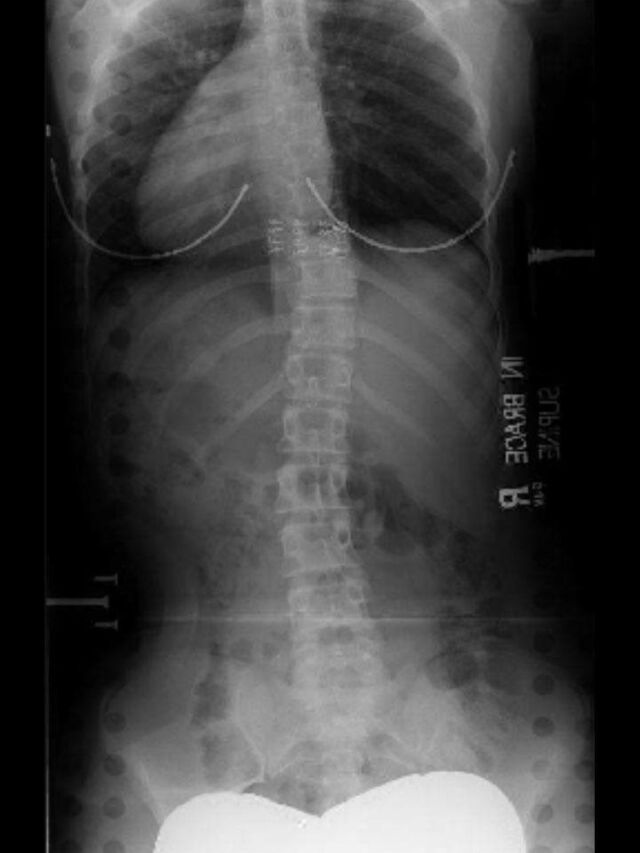
On Board (Supine) 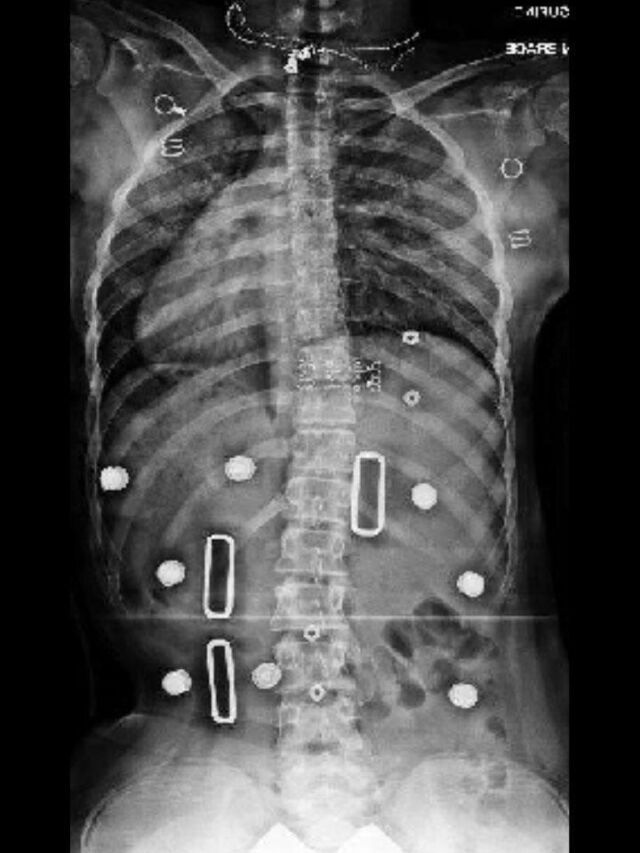
In-Brace (Supine) Providence® Orthosis - 5
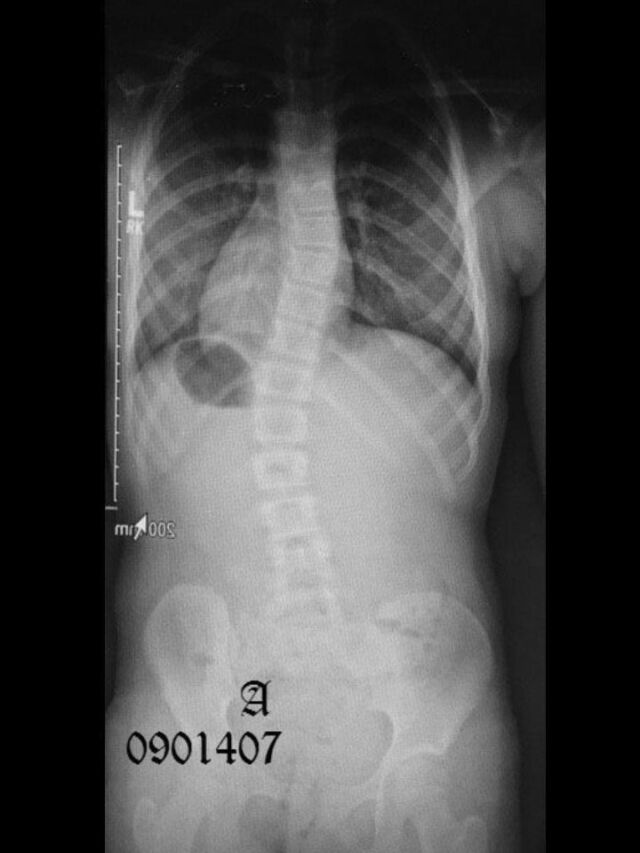
Original 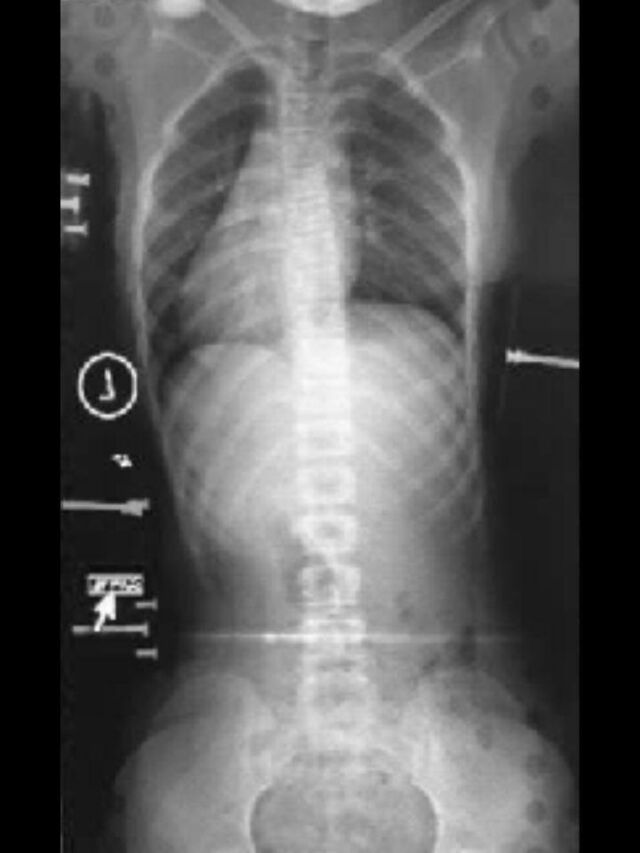
On Board (Supine) 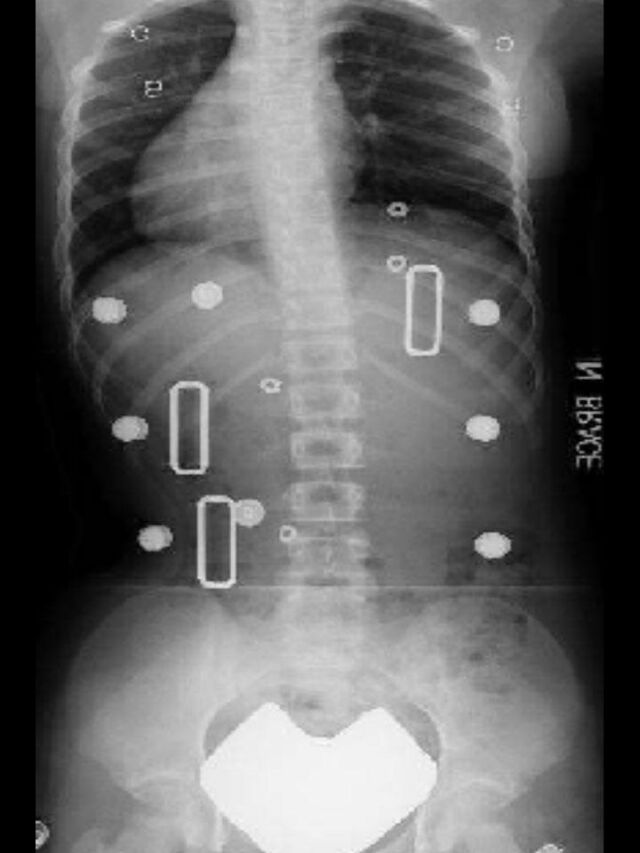
In-Brace (Supine) Providence® Orthosis - 6
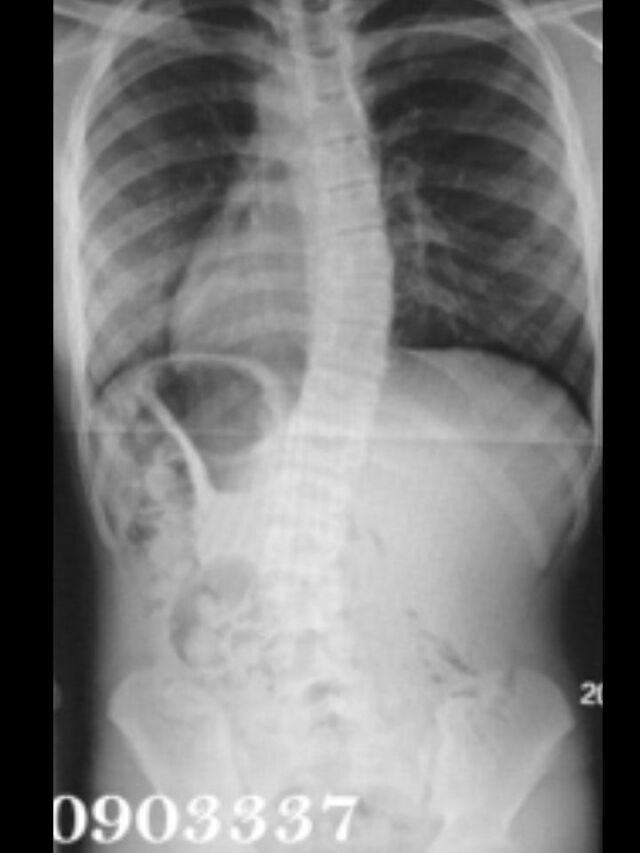
Original 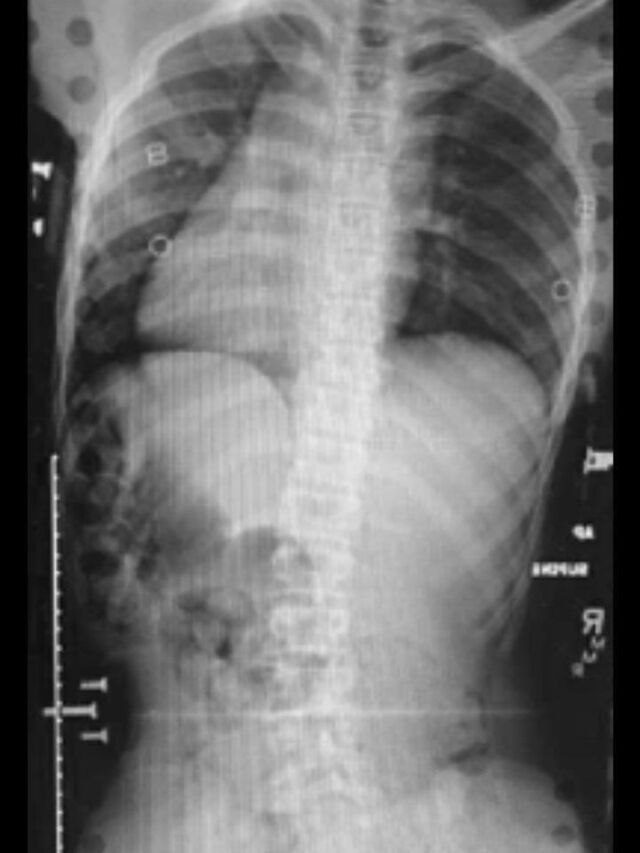
On Board (Supine) 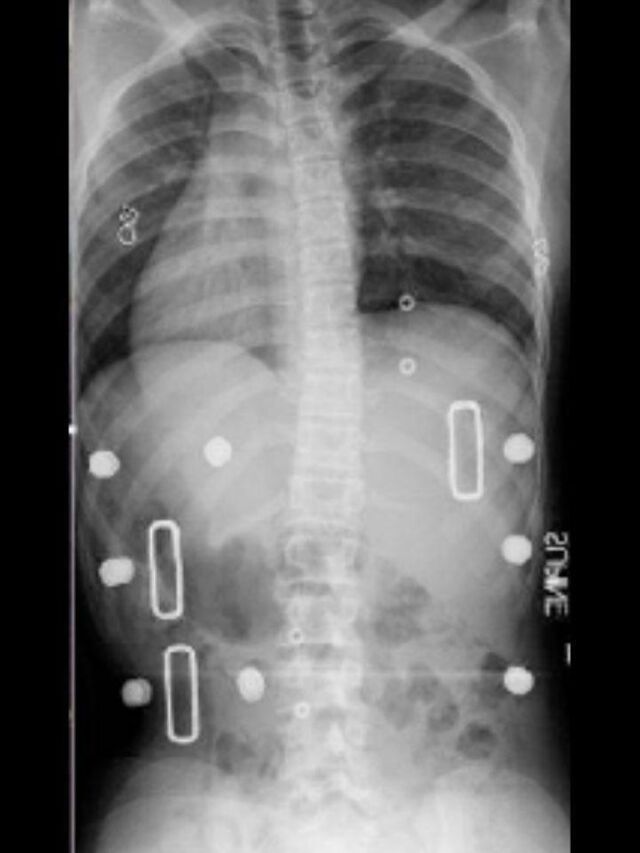
In-Brace (Supine)


FAQ
The Providence Nocturnal Scoliosis System distinguishes itself through the use of high-end CAD/CAM technology and a unique "hyper-corrective" biomechanical approach. Unlike many other nighttime braces, the Providence system is engineered to apply aggressive corrective forces while the patient is in a supine position, allowing for greater over-correction than is possible in a weight-bearing, full-time brace. It utilizes a patented measuring board and computer-aided design to establish the exact centers of the curves, applying three-point pressure and rotational forces to treat apexes as high as T6. This level of precision allows it to effectively manage not just single curves, but also double major and large curves that were previously thought to be outside the scope of nocturnal bracing.
Clinical evidence supports the use of the Providence brace as a primary treatment for AIS. A significant 2001 study, "Nighttime Bracing With the Providence Brace in Adolescent Girls With Idiopathic Scoliosis," found that nocturnal bracing produced success rates comparable to those reported for full-time wear (TLSO) braces. The system is particularly effective because it can provide "over-correction." By shifting the patient’s trunk toward the midline or beyond, the brace addresses the curve more aggressively during sleep, when most adolescent growth occurs.
Current best practices for nocturnal bracing center on maximizing corrective forces while the patient is supine (lying down). Because gravity is eliminated in this position, the Providence Nocturnal Scoliosis System can apply aggressive, hyper-corrective forces that would be difficult to tolerate while standing. Best practices include:
- Nighttime-Only Wear: The brace is worn only while sleeping, usually for 8 to 10 hours.
- Precise Fitting: Utilizing CAD/CAM technology to ensure the hyper-corrective pads are perfectly aligned with the patient's specific curve.
- Compliance Monitoring: Using systems like the stWear® Compliance Monitoring System to ensure the patient is meeting the prescribed nocturnal wear time to achieve the best possible results.
Yes. The Providence Nocturnal Scoliosis System is specifically designed as a sleep-only orthosis, enabling patients to achieve effective outcomes with significantly shorter daily wear time (typically 8–10 hours) than with traditional full-time braces. Research and clinical data indicate that this nocturnal protocol is effective in treating adolescent idiopathic scoliosis (AIS), particularly for patients who may struggle with the social or physical challenges of wearing a brace for 20+ hours a day.
The primary appeal of the night-time strategy, specifically the Providence Nocturnal Scoliosis System, is that it allows teens to be "brace-free" during the day. This addresses the significant psychosocial challenges of scoliosis treatment by eliminating the need to wear a brace at school, during sports, or in social settings, thereby reducing the social stigma associated with full-time bracing.
For parents, this strategy offers higher compliance rates, as the bracing period is easily monitored at home while the child sleeps. Biomechanically, the night-time strategy is appealing because it utilizes supine hyper-correction, applying aggressive corrective forces while the patient is lying down and gravity is minimized, which has been shown to be highly effective for many curve types.